


Aerospace and Ocean Eng.

Get in the Flow
Some of the greatest engineering achievements of the 20th century include airplanes, spacecraft, computers and the internet. Complex issues such as sustainability, health and the security of the world are expected to be the top challenges for future generations.
Aerospace and ocean engineers will play a vital role in reimaginging the way education and technology can work together as a force of good in the world.
A unique blend of aerospace and ocean engineering systems

AOE undergraduate students embark upon a rigorous course of study and research, which grounds them in the fundamentals of aerospace and ocean engineering while launching them into aeronautics, astronautics, and hydronautics careers.
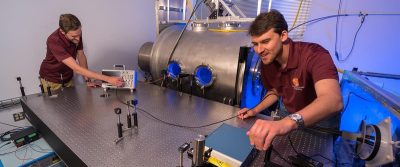
Graduate studies in aerospace and ocean engineering allow students to immerse themselves in an area of research, hone their design and analysis skills, explore applications, and make an impact on the field and on society.

Our faculty and students are investigating, designing, and manufacturing technologies to move boldly and safely through spaces both well traveled and unexplored. They are rising to—and meeting—today's aerospace and ocean engineering challenges.
News
-
Redirect Item
-
Redirect Item


Page 1 of 15 | 100 Results
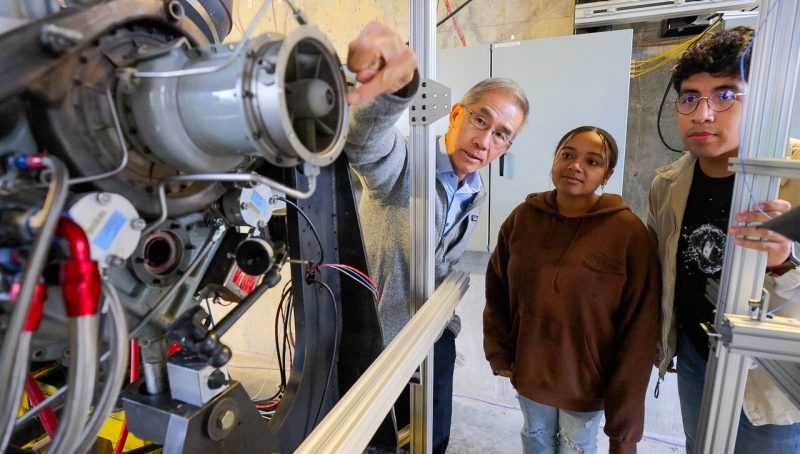
Increasing the resilience of aerospace propulsion systems